Who Should NOT Take GLP-1 Medication: Contraindications Explained
The medical conditions that rule GLP-1 medication out completely, the ones that need extra caution, and why a real doctor screening exists in the first place.
ALTRcare Medical Team
Clinical Editorial
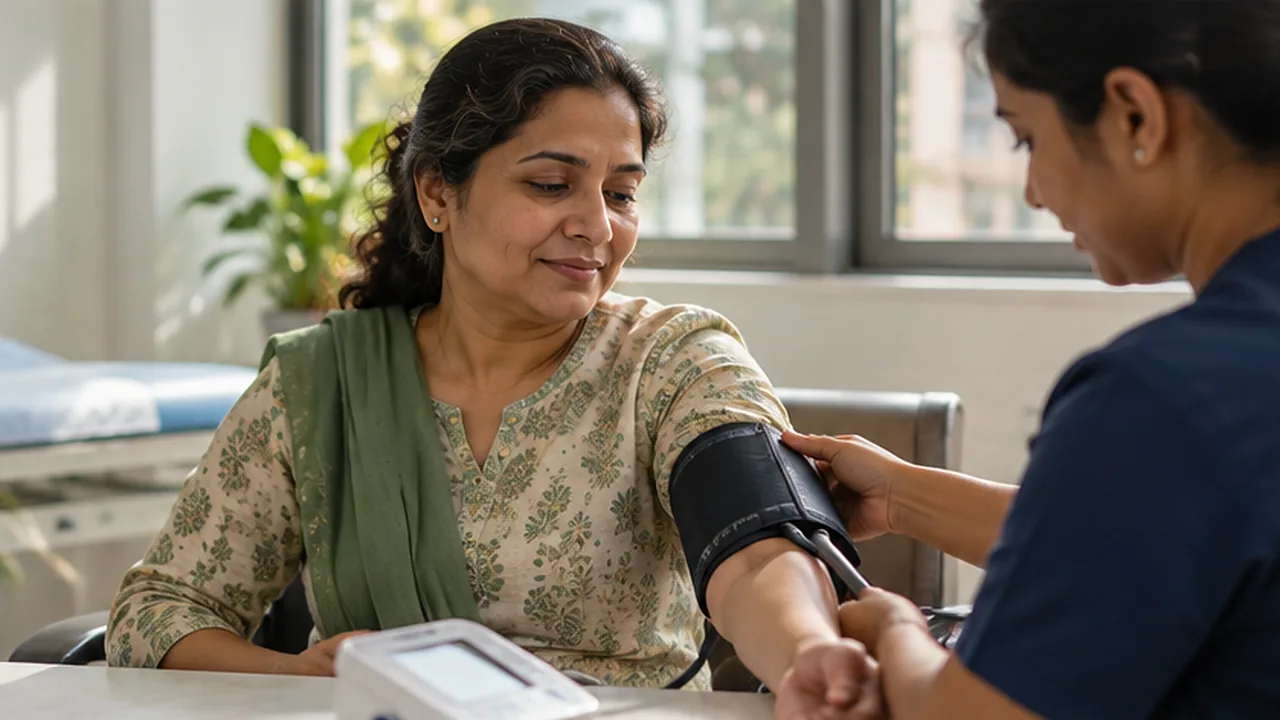
The direct answer: you should NOT take semaglutide or tirzepatide if you have a personal or family history of medullary thyroid carcinoma (a rare thyroid cancer), a condition called Multiple Endocrine Neoplasia syndrome type 2 (MEN 2), a previous serious allergic reaction to the medicine, or if you are pregnant, breastfeeding, or actively trying to conceive. Beyond these absolute rules, there is a longer list of conditions where a doctor needs to weigh risks carefully before prescribing. This article covers both lists.
Absolute contraindications: when the answer is no
- Personal or family history of medullary thyroid carcinoma (MTC). In rodent studies, GLP-1 medicines caused thyroid C-cell tumours. It is not established that this happens in humans, but because MTC is serious, anyone with a personal or family history is excluded as a precaution.
- Multiple Endocrine Neoplasia syndrome type 2 (MEN 2). A rare inherited condition that raises the risk of the same thyroid tumours. Same exclusion, same reason.
- Pregnancy, breastfeeding, or actively trying to conceive. GLP-1 medicines are not used in pregnancy. Doctors generally advise stopping the medicine about two months before a planned pregnancy because it stays in the body for weeks after the last dose.
- A previous serious hypersensitivity reaction to semaglutide, tirzepatide or any component of the injection.
Caution flags: when a doctor needs the full picture
These conditions do not automatically rule GLP-1 medicines out, but they change the risk calculation. A responsible prescriber will ask about every one of them before writing a prescription, and may ask for reports, adjust the plan, or advise against treatment.
| Condition | Why it matters |
|---|---|
| History of pancreatitis | GLP-1 medicines have been linked with rare cases of pancreatitis. A past episode makes the decision genuinely case-by-case. |
| Gallbladder disease or gallstones | Rapid weight loss itself raises gallstone risk, and GLP-1 medicines add to it. Known gallbladder disease needs discussion first. |
| Severe GI disease or gastroparesis | These medicines slow stomach emptying. If your stomach already empties slowly, they can make symptoms significantly worse. |
| Type 1 diabetes | GLP-1 medicines are not a substitute for insulin and are not approved for type 1 diabetes. |
| Diabetic retinopathy | In people with type 2 diabetes, rapid improvement in blood sugar can temporarily worsen existing retinopathy, so eye status matters. |
| On insulin or sulfonylureas (like glimepiride) | Combining these with a GLP-1 can cause low blood sugar. Doses of the other medicines often need reducing. |
| Significant kidney disease | The medicines themselves are handled fine by most kidneys, but vomiting or poor fluid intake can cause dehydration that stresses already weak kidneys. |
| History of an eating disorder | Appetite-suppressing medication in someone with a restrictive eating history needs specialist judgement, not a quick telehealth yes. |
| Under 18 years of age | Weight-loss prescribing for minors sits outside standard adult telehealth care and belongs with a paediatric specialist. |
| History of suicidal thoughts or severe depression | Regulators have reviewed mood-related reports. Evidence has not confirmed a causal link, but an honest mental health history helps your doctor monitor you properly. |
Why the screening questions exist
Every question in a proper GLP-1 consultation maps to something on this page. When a doctor asks about your thyroid history, your family history, past stomach problems, current medications and pregnancy plans, they are not filling a form. They are walking this exact list. This is also the clearest way to judge a weight-loss provider: if you can get a GLP-1 prescription without anyone asking these questions, the provider is not screening you, and that should worry you regardless of who it is.
Buying without screening skips this entire safety layer
Semaglutide is now cheap and widely available in India, and some pharmacies dispense with minimal checks. The medicine did not become safer when it became cheaper. The screening is the safety.
What honest disclosure gets you
Some patients hesitate to mention a past pancreatitis episode or a psychiatric history because they worry it means an automatic no. Usually it does not. What it means is that your doctor sets a plan that accounts for it: a slower titration, an extra baseline test, a specific symptom to watch for, or in some cases a recommendation for a different approach entirely. The only genuinely unsafe option is a prescriber who decides without knowing.
Not sure if any of this applies to you?
ALTRcare's doctors screen every patient against this full list before any prescription is written, and the consultation is free. Take the 2-minute assessment and bring your questions to the doctor directly.
Key takeaways
- Absolute exclusions: personal or family MTC history, MEN 2, pregnancy or breastfeeding, prior serious allergic reaction.
- Pancreatitis, gallbladder disease, gastroparesis, type 1 diabetes and retinopathy need case-by-case medical judgement.
- Insulin and sulfonylurea users need dose adjustments to avoid low blood sugar.
- Plan pregnancies: stop the medicine about two months before trying to conceive.
- A prescriber who asks none of these questions is the biggest red flag of all.
Frequently asked questions
Can I take semaglutide if I have a thyroid problem?
Common thyroid conditions like hypothyroidism on thyroxine are generally NOT a contraindication. The exclusion is specifically for medullary thyroid carcinoma (a rare cancer) and MEN 2. Tell your doctor your exact thyroid diagnosis so they can confirm which category you are in.
Can I take a GLP-1 if I am trying to get pregnant?
No. GLP-1 medicines are not used in pregnancy, and doctors advise stopping roughly two months before you start trying, because the medicine remains in your system for weeks after the last dose.
I had pancreatitis years ago. Is a GLP-1 ruled out for me?
Not automatically, but it is a genuine caution flag. Your doctor will weigh the cause of that episode, how long ago it was, and your current health before deciding. Do not start without disclosing it.
Can I take semaglutide with my diabetes medicines?
Often yes, but insulin and sulfonylureas (like glimepiride) combined with a GLP-1 can cause low blood sugar, so those doses usually need adjusting. This is exactly why the prescribing doctor must know your full medication list.
Is there an age limit for GLP-1 weight-loss treatment?
Standard adult telehealth prescribing is for ages 18 and above. Older adults can often take GLP-1 medicines too, with attention to muscle preservation, kidney function and other medications.
Ready to take the next step?
Take the free 2-minute eligibility assessment. A doctor reviews it before anything is prescribed, with no obligation.
This article is for general educational purposes and is not a substitute for personalised medical advice. GLP-1 medications are prescription-only and not suitable for everyone. Always consult a qualified doctor before starting, changing, or stopping any treatment.