Beyond the Scale: The Blood Markers That Change on a GLP-1
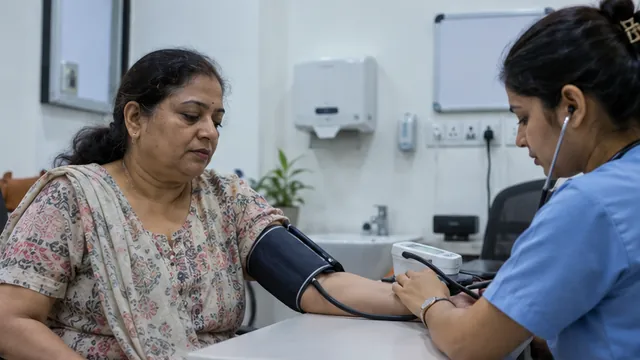
Weight is the number you see. HbA1c, liver enzymes, triglycerides and blood pressure are the numbers that tell you whether your metabolic health is actually improving, and they often move first.
ALTRcare Medical Team
Clinical Editorial
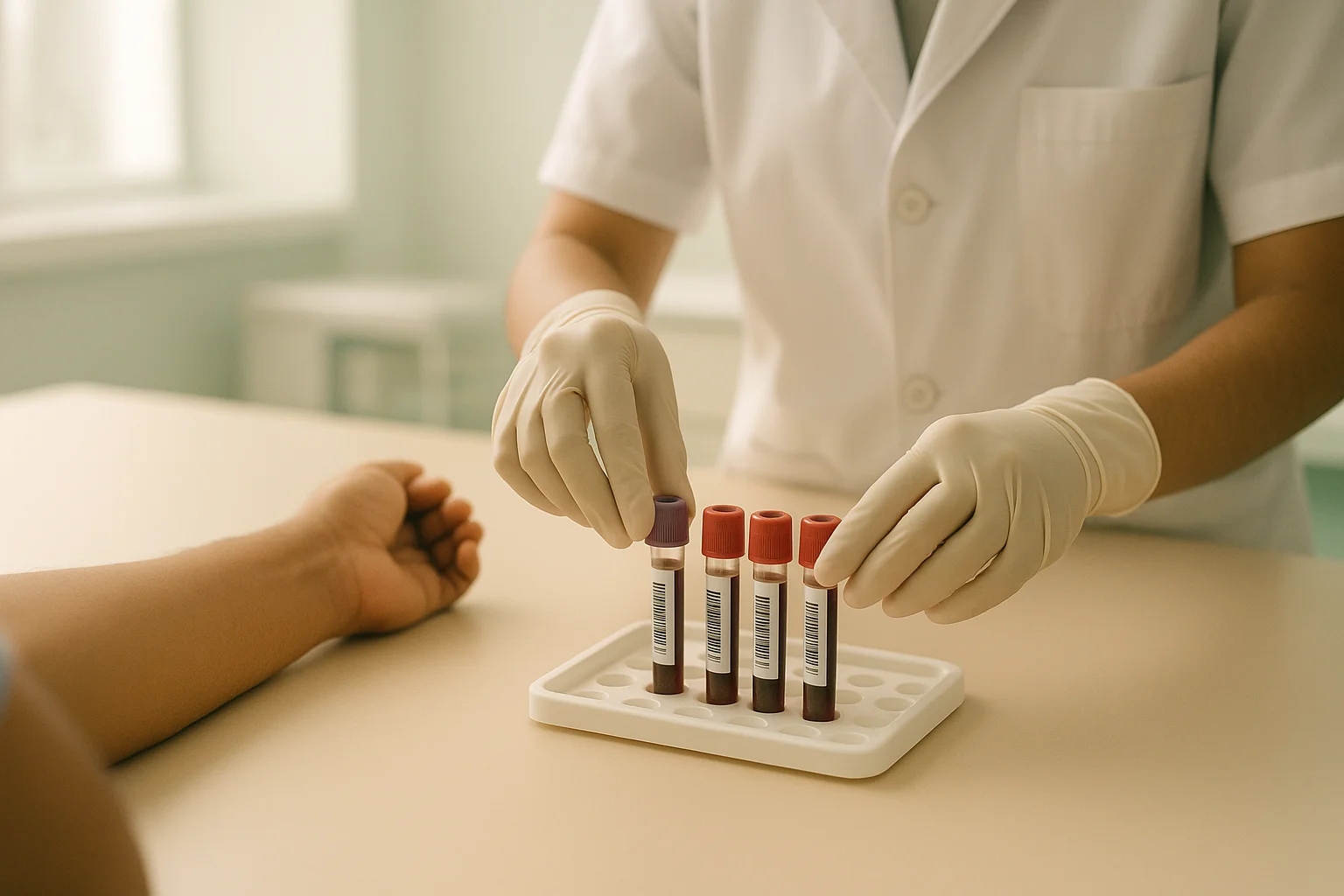
The short answer: weight is only one output of metabolic treatment, and it is a slow, noisy one. HbA1c, fasting insulin, liver enzymes, triglycerides and blood pressure often improve within the first two to three months, sometimes ahead of any dramatic scale movement. If you only track weight, you will misread your own progress.
The markers worth tracking
| Marker | What it tells you | Typical timeline |
|---|---|---|
| HbA1c | Average blood sugar over about three months | Meaningful change by 12 weeks |
| Fasting glucose | Sugar control right now | Often within weeks |
| Fasting insulin, HOMA-IR | How hard your pancreas is working | Improves early, tracks insulin resistance |
| ALT and AST | Liver strain, relevant in fatty liver | Often improves by 3 to 6 months |
| Triglycerides | Fat circulating in blood, very diet-sensitive | Can improve within weeks |
| HDL cholesterol | Rises slowly with sustained loss | 6 months or longer |
| Blood pressure | Cardiovascular load | Often within the first 8 to 12 weeks |
| Uric acid | Relevant if you have gout | Variable; can rise transiently in rapid loss |
Why markers move before weight does
The fat that matters most metabolically is visceral fat, packed around the liver and abdominal organs. It is metabolically active and it is often the first fat to shift. Losing a few kilos of visceral fat improves insulin sensitivity and liver enzymes noticeably, while the number on the scale has barely moved, especially if you are simultaneously gaining a little muscle from resistance training.
This is why a scale plateau is not a treatment plateau
If your weight has been static for three weeks but your waist is down, your BP is lower and your energy is better, treatment is working. Bring the full picture to your review, not just the weight.
The 5 to 10 percent threshold
Most of the meaningful metabolic improvement arrives in the first 5 to 10 percent of body weight lost. For a 90 kg patient, that is 4.5 to 9 kg. That is where fatty liver improves, where blood pressure drops, where sugar control improves, and where sleep apnoea often eases. Patients aiming for a dramatic transformation frequently walk past this milestone without noticing it, because it does not look like much in a mirror.
What to retest and when
- Baseline before starting: HbA1c or fasting glucose, lipid profile, liver function, kidney function, thyroid, and a haemogram. Vitamin D and B12 are commonly added in India.
- At 3 months: HbA1c and lipids, plus liver enzymes if fatty liver was the reason you started.
- At 6 months: a fuller repeat, including thyroid if you take replacement, since your dose may need adjusting after weight loss.
- Anytime symptoms change: new or persistent abdominal pain, jaundice, or symptoms of low blood sugar should trigger testing regardless of schedule.
One number that can look worse before it looks better
Uric acid can rise temporarily during rapid weight loss. If you have a history of gout, mention it before starting so your doctor can plan for it rather than being surprised by it.
How to read your own report
Compare like with like. Use the same lab where possible, fast when the test asks for it, and look at the trend across two or three reports rather than reacting to one. A single reading taken after a wedding week or a bad night of sleep is not a trend. And do not diagnose yourself from a report: an isolated mildly abnormal value is common and usually needs context rather than treatment.
Care that answers questions like this
ALTRcare patients get a doctor-led plan, monthly follow-ups and same-day WhatsApp answers, not just a prescription. Take the free 2-minute assessment to see if a GLP-1 plan fits you.
Key takeaways
- Blood markers often improve before the scale does, because visceral fat goes first.
- Most metabolic benefit appears within the first 5 to 10 percent of weight lost.
- Track HbA1c, lipids, liver enzymes and blood pressure alongside weight.
- Retest at roughly 3 and 6 months, and recheck thyroid after significant weight loss.
- Uric acid can rise temporarily during rapid loss; flag any gout history before starting.
Frequently asked questions
How soon does HbA1c improve on semaglutide?
HbA1c reflects roughly three months of average blood sugar, so a meaningful change usually shows by the 12-week mark. Fasting glucose often moves sooner.
Will my fatty liver improve on a GLP-1?
Liver enzymes commonly improve as visceral fat falls, often within three to six months. The degree of improvement depends on how much weight is lost and sustained, and imaging may be repeated separately.
My weight has not moved but my reports look better. Is the medicine working?
Very likely yes. Improvements in blood pressure, waist size, liver enzymes and sugar control are real clinical progress even during a scale plateau. Bring the full set of numbers to your review.
How often should I do blood tests on a GLP-1?
A common pattern is baseline, then around three months and six months, with extra testing if symptoms change. Your doctor sets the schedule based on your starting reports and conditions.
Do I need to fast for these tests?
Lipid profiles and fasting glucose are typically done fasting; HbA1c does not require it. Follow the specific instructions your lab or doctor gives for the panel you are doing.
Ready to take the next step?
Take the free 2-minute eligibility assessment. A doctor reviews it before anything is prescribed, with no obligation.
This article is for general educational purposes and is not a substitute for personalised medical advice. GLP-1 medications are prescription-only and not suitable for everyone. Always consult a qualified doctor before starting, changing, or stopping any treatment.