What Blood Tests Do You Need Before Starting Semaglutide?
A responsible weight-loss program checks a few things first. Here's what's typically tested and why it matters.
ALTRcare Medical Team
Clinical Editorial
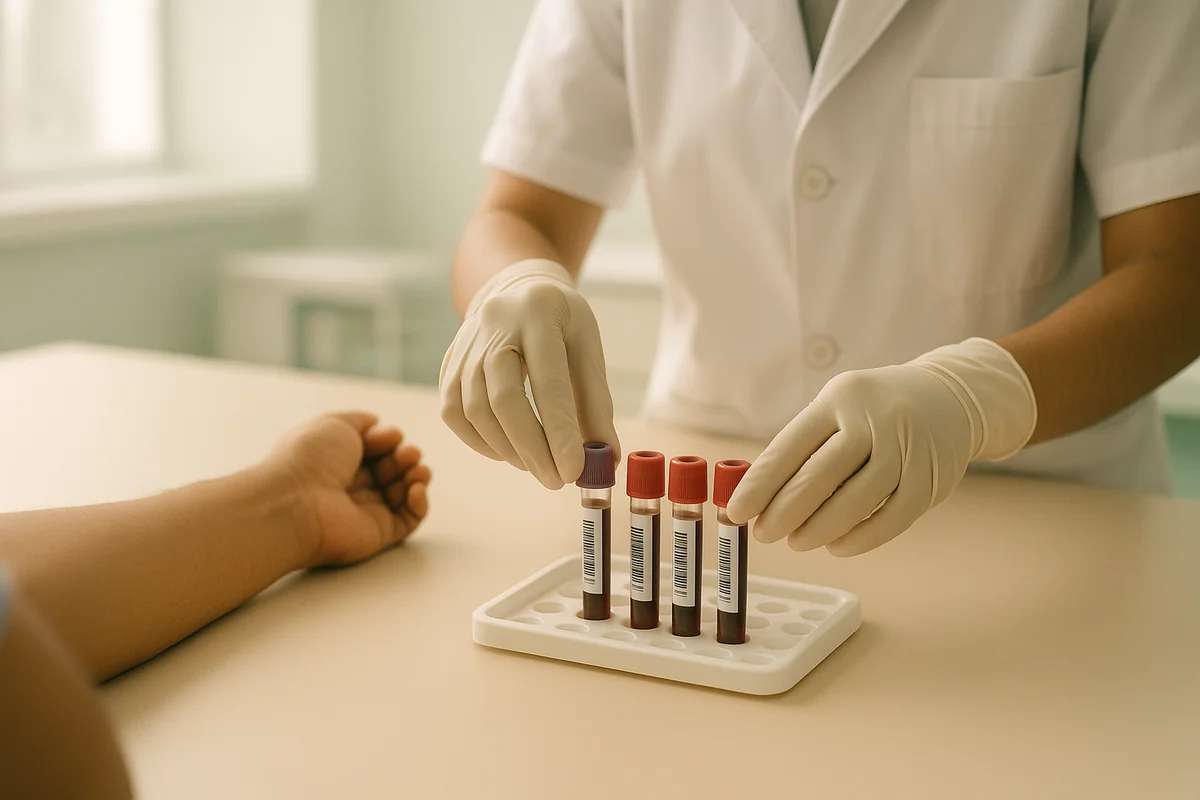
One sign of a responsible weight-loss program is that it checks a few things before starting — not just ships you a pen. Here's what's usually tested and why it's worth doing.
What's commonly checked
- Blood sugar / HbA1c — to understand your metabolic starting point and spot diabetes or prediabetes.
- Thyroid function — because thyroid issues affect weight and need to be accounted for.
- Liver and kidney markers — to confirm your organs are handling things well before and during treatment.
- Lipid profile — cholesterol and related markers, often improved by weight loss.
Why testing matters
Baseline tests do two things: they help the doctor confirm treatment is appropriate and safe for you, and they give you a 'before' picture so you can see improvement over time. A program that skips this entirely is cutting a corner that exists for your safety.
Tests are reassurance, not red tape
Good testing means someone is actually watching your health, not just selling you a product. It's a feature, not a hurdle.
Start with a proper assessment
Take the 2-minute assessment — a doctor reviews your profile and advises what testing makes sense.
Key takeaways
- Responsible programs check baseline blood work before starting.
- Common tests: blood sugar/HbA1c, thyroid, liver, kidney, lipids.
- Testing confirms treatment is appropriate and gives a 'before' picture.
- Skipping tests entirely is a corner cut at your expense.
- Good testing means someone is genuinely watching your health.
A note on medical advice
This article is educational and not a substitute for medical advice. Only a licensed doctor can decide whether any medication is right for you.
Questions about testing?
Message our care team to understand what's checked and why.
Frequently asked questions
What blood tests are needed before semaglutide?
Doctors commonly check blood sugar/HbA1c, thyroid function, liver and kidney markers, and a lipid profile. These confirm treatment is appropriate and safe and provide a baseline to track improvement. Your doctor decides exactly what's needed for you.
Do I really need tests before starting?
A responsible program checks baseline blood work first. It confirms the treatment suits you and gives a 'before' picture. A program that skips testing entirely is cutting a safety corner.
Ready to take the next step?
Take the free 2-minute eligibility assessment. A doctor reviews it before anything is prescribed, with no obligation.
This article is for general educational purposes and is not a substitute for personalised medical advice. GLP-1 medications are prescription-only and not suitable for everyone. Always consult a qualified doctor before starting, changing, or stopping any treatment.