Who Qualifies for Weight-Loss Surgery in India? The Asian BMI Cutoffs
Indian surgical criteria sit lower than Western ones, because South Asians develop metabolic disease at lower body weight. Here is who qualifies and what the assessment involves.
ALTRcare Medical Team
Clinical Editorial
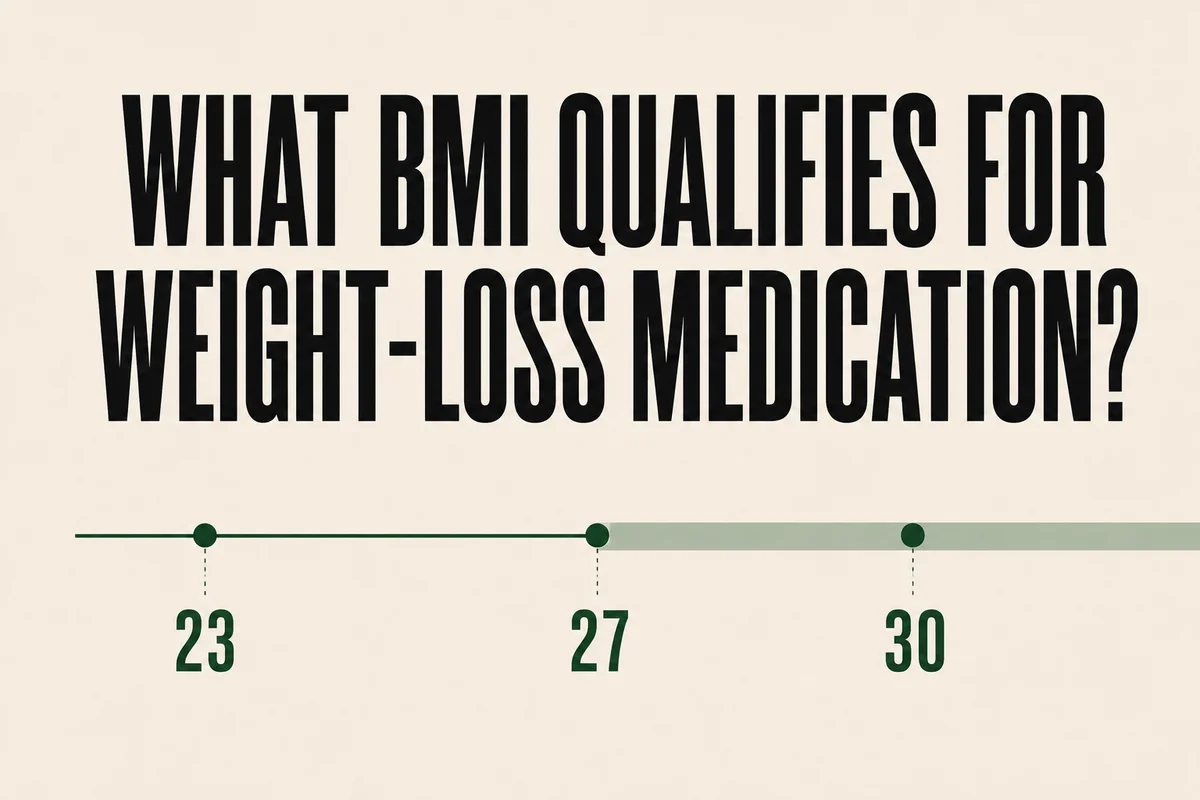
The short answer: Asian-specific guidelines used widely in India consider bariatric surgery at a BMI of 37.5 or above on its own, or 32.5 or above with a significant obesity-related condition such as type 2 diabetes, sleep apnoea or severe joint disease. Those thresholds are lower than the Western figures of 40 and 35, because South Asians develop metabolic complications at lower body weight and with less visible excess fat.
Why the Indian numbers are lower
The same pattern that puts the adult overweight cutoff at 23 rather than 25 for Indians applies here. At any given BMI, South Asians tend to carry more visceral fat, less muscle mass and a higher risk of insulin resistance than European populations. A person with a BMI of 33 and uncontrolled diabetes in India may be metabolically sicker than someone with a BMI of 38 elsewhere, and the criteria reflect that.
| Situation | Asian criteria used in India | Older Western criteria |
|---|---|---|
| BMI alone | 37.5 and above | 40 and above |
| BMI with significant comorbidity | 32.5 and above | 35 and above |
| Type 2 diabetes, poorly controlled | Considered from 30 in some guidance | Not standard |
What counts as a qualifying condition
- Type 2 diabetes, particularly when poorly controlled despite medication.
- Obstructive sleep apnoea.
- Significant fatty liver disease.
- Hypertension requiring multiple medications.
- Severe osteoarthritis limiting mobility, especially where joint replacement is being considered.
- Obesity-related cardiomyopathy or heart failure.
- Severe PCOS with metabolic features, in some assessments.
What the assessment involves
Meeting a BMI number does not by itself make surgery the right answer. A proper bariatric workup is multidisciplinary and usually includes the surgeon, a physician or endocrinologist, a dietitian, and often a psychologist. Expect an endoscopy, a full metabolic panel, cardiac and respiratory assessment, thyroid and hormonal screening to exclude secondary causes, and a discussion about whether you can commit to lifelong follow-up and supplements.
The commitment question is not a formality
Surgery works best in patients who attend follow-up, take supplements daily and change eating patterns. Centres that assess this seriously are protecting your outcome, not gatekeeping. If you know you will not attend annual bloods for the rest of your life, that is important information to bring to the discussion honestly.
Who is usually not a candidate
- Untreated significant psychiatric illness or active substance dependence.
- Active, untreated eating disorder.
- Pregnancy, or planned pregnancy within the coming year.
- Medical conditions making general anaesthesia unacceptably risky.
- Inability or unwillingness to commit to lifelong supplements and follow-up.
- Under 18, where it is a specialist paediatric decision under separate criteria.
When medication is the better first step
For patients below the surgical thresholds, and for many patients above them who are not ready for an operation, medication now offers a serious alternative that did not meaningfully exist a decade ago. It is reversible, needs no anaesthesia, and can be started while you consider surgery rather than instead of considering it. Some patients use medication first and never need the operation; others use it before surgery to reduce operative risk. These are not opposing camps.
Not sure which route fits you?
ALTRcare's free 2-minute assessment gives you a doctor-reviewed read on where you stand. If surgery is the better answer for your situation, we will say so.
Key takeaways
- Indian criteria are commonly BMI 37.5 alone, or 32.5 with a significant obesity-related condition.
- Thresholds are lower than Western ones because South Asians develop metabolic disease at lower BMI.
- Meeting the BMI number is the start of an assessment, not the decision.
- Lifelong supplements and follow-up are part of the eligibility conversation.
- Below the surgical range, supervised medication is a legitimate first step rather than a lesser one.
Frequently asked questions
What BMI do you need for bariatric surgery in India?
Asian-specific guidelines commonly used in India consider surgery at BMI 37.5 and above, or 32.5 and above with a significant obesity-related condition. Individual centres and insurers may apply slightly different thresholds.
Why are Indian criteria lower than in the West?
South Asians develop insulin resistance, diabetes and fatty liver at lower BMI and lower visible fat, so the thresholds are adjusted downward to reflect actual risk.
Can I have surgery if my BMI is 30?
Generally not on BMI alone, though some guidance considers it for poorly controlled type 2 diabetes. A medical weight-management route is usually the appropriate first step in that range.
Do I have to try dieting first?
Most centres and insurers expect documented non-surgical attempts, and insurers often require that evidence for a claim. Keep records of programmes and medications you have tried.
Is there an upper age limit?
There is no fixed cutoff, but risk assessment becomes more important with age and coexisting disease. Older patients are assessed individually rather than excluded by number.
Ready to take the next step?
Take the free 2-minute eligibility assessment. A doctor reviews it before anything is prescribed, with no obligation.
This article is for general educational purposes and is not a substitute for personalised medical advice. GLP-1 medications are prescription-only and not suitable for everyone. Always consult a qualified doctor before starting, changing, or stopping any treatment.