You Don't Have to Wait Until It Gets Worse: A Note for Anyone Told Their Numbers Are 'Just Borderline'
If you're prediabetic or have borderline metabolic numbers and feel dismissed by the healthcare system, here's why it's worth acting now, and what doctor-led care can look like.
ALTRcare Medical Team
Clinical Editorial

If you've ever sat across from a doctor, watched them glance at your blood work, and heard some version of "it's borderline, keep an eye on it, come back in six months", you know exactly the feeling this article is about. Not sick enough to be taken seriously. Not healthy enough to stop worrying. Just... in between, and mostly on your own with it.
That in-between space is where a lot of people live. Prediabetes. Borderline cholesterol. Early insulin resistance. A BMI that's "a bit high" but not high enough to trigger urgency. None of it feels like an emergency to anyone else, but you're the one lying awake wondering what it means five or ten years from now.
Why "just borderline" deserves more attention, not less
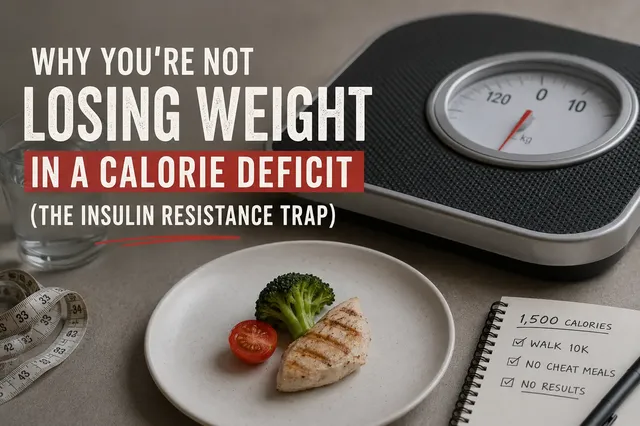
Here's the part that often doesn't get said clearly enough: prediabetes and early metabolic changes are exactly the stage where intervention works best. This isn't a waiting room. It's a window. The same insulin resistance that shows up as "borderline" numbers today is frequently the same mechanism behind weight that won't shift, energy that crashes by 3pm, and sugar cravings that feel impossible to control. It's not a separate, smaller problem. It's the early version of the same problem, and it responds well to being treated early.
Waiting for numbers to get worse before doing anything isn't caution. It's just delay.
You don't need a crisis to deserve a real plan
You don't have to wait for a diagnosis with a scarier name to justify getting help. If any of this sounds familiar, it's worth talking to a doctor about a real plan, not just a "watch and wait":
- Your fasting sugar or HbA1c is creeping up, but not "there" yet
- You've been told to lose weight for your health, but never given a concrete way to do it
- You have a family history of diabetes or heart disease and want to get ahead of it
- You're managing fatigue, cravings, or slow weight gain that doesn't add up to your effort
- A doctor has mentioned insulin resistance or metabolic syndrome in passing, without a follow-up plan
None of these need to be severe to be worth addressing. Early is the whole point. If you want the fuller clinical picture, what fasting sugar range counts as prediabetes, and what the evidence says about reversing it, see our companion article on how GLP-1 therapy can help reverse pre-diabetes.
What doctor-led care actually looks like here
At ALTRcare, we see a lot of people in exactly this spot, not in crisis, just tired of being told to wait. Our approach starts with a real clinical assessment, not a generic weight-loss pitch:
- A doctor reviews your history and labs (or helps you get the right ones done)
- If medication like semaglutide or tirzepatide is appropriate for your metabolic profile, it's explained clearly, including what it can and can't do
- You're followed over time by the same care team, so this isn't a one-time consult that disappears
This is medically supervised care for people who are often told they don't qualify for attention yet. You do.
Tired of being told to wait?
Take the 2-minute assessment. A doctor will review your numbers and tell you what a real plan looks like, before anything gets worse.
One honest note
Medication isn't a substitute for the fundamentals, and no program should promise a number on a scale by a certain date. What it can do, under proper supervision, is give your body a real assist while you build the habits that make the improvement last, sleep, movement, and food that supports your goals instead of working against them.
Key takeaways
- "Borderline" metabolic numbers are the stage where intervention works best, not a reason to wait.
- Prediabetes and early insulin resistance are the early version of the same problem behind weight gain, cravings, and fatigue, not a separate issue.
- You don't need a scarier diagnosis to justify getting help; a family history or vague symptoms are reason enough to ask for a real plan.
- Doctor-led care means an honest assessment of whether medication is appropriate, followed by ongoing check-ins, not a one-time consult.
Told your numbers are borderline?
Message our care team to talk through your labs and what a real plan could look like.
Frequently asked questions
Is it worth doing anything about 'borderline' blood sugar or cholesterol?
Yes, borderline or prediabetic numbers are exactly the stage where intervention is most effective, before the condition progresses further. Waiting for numbers to worsen removes the advantage of acting early.
Do I need a formal diagnosis before I can get help?
No. A family history of diabetes or heart disease, unexplained fatigue, cravings, or a doctor mentioning insulin resistance in passing are all reasonable starting points for a real assessment, you don't need to wait for things to become severe.
What does doctor-led care for borderline metabolic numbers involve?
A proper review of your history and labs, a clear explanation of whether medication like semaglutide or tirzepatide fits your case, and ongoing follow-up, not a single consult with no plan for what comes next.
Ready to take the next step?
Take the free 2-minute eligibility assessment. A doctor reviews it before anything is prescribed — no obligation.
This article is for general educational purposes and is not a substitute for personalised medical advice. GLP-1 medications are prescription-only and not suitable for everyone. Always consult a qualified doctor before starting, changing, or stopping any treatment.