Street Food and Restaurant Meals: A Realistic Calorie Guide for India
Nobody is going to stop eating samosas forever. Knowing roughly what things cost, and which swaps are actually worth making, works far better than pretending you will avoid them.
ALTRcare Medical Team
Clinical Editorial
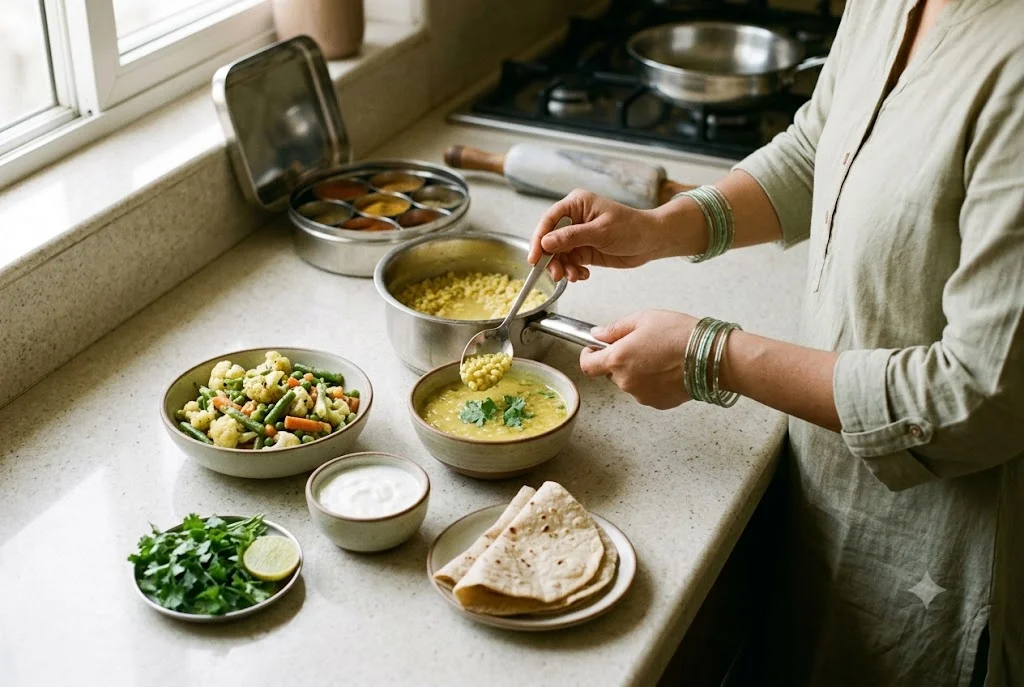
The short answer: the same dish can differ by two or three times between your kitchen and a restaurant, mostly because of oil, cream, butter and portion size. You do not need to memorise numbers. You need a rough sense of which dishes are expensive and which are cheap, so that eating out costs you one meal rather than one week.
How to use these numbers
These are approximate ranges for typical servings. Actual values vary widely with oil, portion and preparation. Use them for comparison between choices, not as precise accounting. If tracking numbers makes you anxious or preoccupied, skip the counting and use the swaps section instead.
Street food, roughly
| Item | Approximate range | Why |
|---|---|---|
| Samosa (1 piece) | 250 to 350 | Deep fried, refined flour, potato filling |
| Vada pav (1) | 300 to 400 | Fried vada plus refined-flour pav |
| Pav bhaji (1 plate) | 600 to 900 | Butter is the main variable, often very generous |
| Pani puri (6 pieces) | 150 to 250 | Fried shells, but small; one of the lighter options |
| Chole bhature (1 plate) | 700 to 1,100 | Large fried bhature dominate the total |
| Masala dosa (1) | 350 to 550 | Depends heavily on oil and potato filling |
| Idli (2) with sambar | 150 to 250 | Steamed, one of the best street choices |
| Momos, steamed (6) | 250 to 350 | Fried versions run considerably higher |
| Bhel puri (1 plate) | 250 to 400 | Lighter, unless heavy on sev and chutney |
| Jalebi (2 pieces) | 300 to 400 | Fried and sugar-syrup soaked |
Restaurant dishes, roughly
| Dish | Approximate range | Note |
|---|---|---|
| Butter chicken (1 serving) | 500 to 750 | Cream and butter dominate |
| Paneer butter masala (1 serving) | 500 to 800 | Often higher than the chicken version |
| Dal tadka (1 serving) | 200 to 350 | Dal makhani runs roughly double |
| Butter naan (1) | 300 to 400 | Tandoori roti is roughly a third of this |
| Biryani (1 plate) | 600 to 900 | Portion size is the main variable |
| Tandoori chicken (2 pieces) | 250 to 350 | One of the better restaurant choices |
| Fried rice or noodles (1 plate) | 500 to 800 | Oil-heavy at most outlets |
| Gulab jamun (2) | 300 to 400 | Syrup carries most of it |
The swaps that are actually worth it
- 1Tandoori roti instead of butter naan. Same meal, large difference, and nobody notices.
- 2Steamed over fried, every time. Idli over vada, steamed momos over fried, boiled corn over fried snacks.
- 3Dal tadka over dal makhani. Same craving, a fraction of the cream.
- 4Tandoori or grilled starters instead of gravy mains if you want the flavour without the oil base.
- 5Ask for less oil and no extra butter. Most restaurants in India will do this if you ask when ordering.
- 6Share the indulgent dish, order a plain side for yourself. You still eat it; you eat less of it.
If you are on a GLP-1
Heavy, oily restaurant food on a slowed stomach is the most reliable way to feel unwell, particularly in the first days after a dose. Order lighter in that window and save the richer meal for later in your week.
The rule that beats every list
Protein first, vegetables second, refined carbohydrates and fried items last, whatever restaurant you are in. That single ordering rule handles most menus without any counting. It also leaves you fuller, so the second helping is a genuine choice rather than an automatic one.
What not to do
Do not skip meals earlier in the day to bank calories for dinner out. Arriving hungry at a restaurant reliably costs more than it saves. And do not treat one large meal as a reason to abandon the week. One heavy dinner is a rounding error across seven days. Reacting to it with three days of restriction, then a rebound, is not.
Not sure where you stand?
ALTRcare's free 2-minute assessment gives you a doctor-reviewed read on your BMI, waist and metabolic risk, with no obligation to start anything.
Key takeaways
- Restaurant versions of dishes often run two to three times home cooking, mainly from oil, butter and cream.
- Idli, steamed momos, bhel and tandoori items are among the lighter choices.
- Chole bhature, pav bhaji, biryani and fried rice are the heaviest common orders.
- Protein first, vegetables second, fried items last works on any menu without counting.
- Do not skip earlier meals to save up. Arriving hungry costs more than it saves.
Frequently asked questions
How many calories is one samosa?
Roughly 250 to 350 for a typical piece, depending on size and how much oil it absorbed. Larger stuffed versions can be considerably more.
Can I eat street food while trying to lose weight?
Yes, with portion awareness and better choices. Steamed and grilled items cost far less than deep-fried ones, and one indulgent meal does not undo a good week.
Is biryani bad for weight loss?
No single dish is disqualifying. Biryani is calorie-dense mainly because of portion size and oil, so a smaller portion with a protein-rich side and salad works better than avoiding it entirely.
What is the healthiest Indian restaurant order?
Grilled or tandoori protein, dal, a vegetable dish that is not cream-based, tandoori roti rather than naan, and salad or raita alongside.
Should I count calories at all?
It helps some people and stresses others. If counting makes you preoccupied with food, use structural rules like protein first and steamed over fried instead, and talk to a nutritionist about a plan that fits how you actually eat.
Ready to take the next step?
Take the free 2-minute eligibility assessment. A doctor reviews it before anything is prescribed, with no obligation.
This article is for general educational purposes and is not a substitute for personalised medical advice. GLP-1 medications are prescription-only and not suitable for everyone. Always consult a qualified doctor before starting, changing, or stopping any treatment.