Weight Regain After Bariatric Surgery: How Common It Is and What Comes Next
Some regain after the lowest point is expected and normal. Substantial regain happens to a meaningful minority of patients, and it is a treatable situation rather than a personal failure.
ALTRcare Medical Team
Clinical Editorial
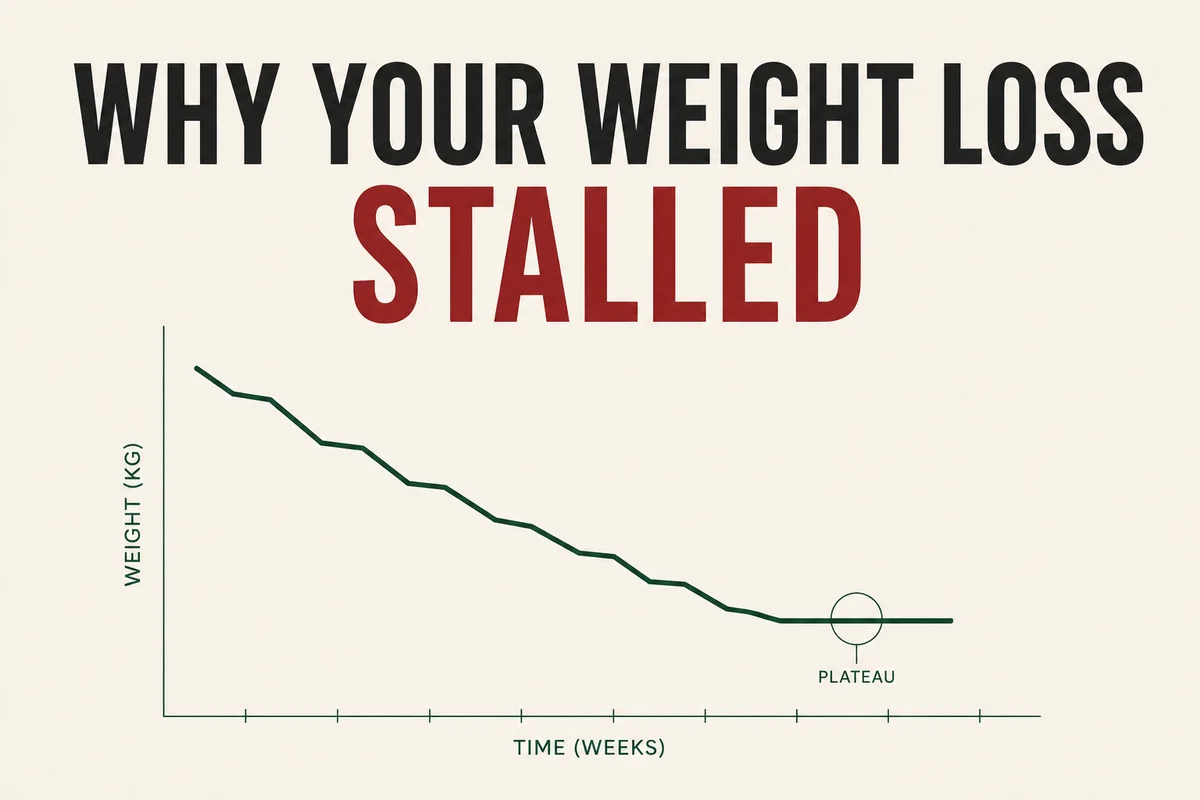
The short answer: weight typically bottoms out somewhere around 12 to 18 months after surgery, and a modest rise after that is expected and normal. Substantial regain, enough to lose a meaningful share of what was achieved, affects a real minority of patients over five to ten years. It has causes that can be identified, and options that did not exist a decade ago.
What is normal and what is not
Almost everyone regains a little from their lowest point. That is physiology reasserting itself, not a warning sign. The concern is a sustained upward trend over a year or more, particularly when it comes with the return of conditions that had improved, such as rising blood sugar, worsening reflux or returning sleep apnoea symptoms.
Why it happens
| Category | What is going on |
|---|---|
| Hormonal adaptation | Appetite hormones drift back over years; the biology that drove obesity is still present |
| Pouch or sleeve dilation | The stomach can stretch over time, restoring capacity |
| Grazing pattern | Frequent small high-calorie eating bypasses restriction entirely |
| Liquid calories | Sweetened drinks and alcohol pass through with no restriction at all |
| Lost follow-up | Drifting out of dietitian and medical contact is a strong predictor |
| Life events | Pregnancy, bereavement, job stress, illness, medication changes |
| Untreated mental health | Depression, anxiety and disordered eating patterns that were never addressed |
Grazing is the one people miss
Surgery restricts how much you can eat at one sitting. It does nothing about eating small amounts continuously through the day, and it does nothing about calories in liquid form. Both routes bypass the operation entirely, which is why a dietitian review is the most useful first step when regain starts.
What to do first
- 1Go back to your bariatric team. Not a new clinic, not a supplement shop. The team that operated has your records and the fastest route to an assessment.
- 2Get the anatomy checked if indicated. Endoscopy or imaging can show pouch or sleeve dilation, a widened outlet, or a fistula after bypass.
- 3Get bloods done. Deficiencies, thyroid problems and returning diabetes all need identifying.
- 4See a dietitian for a genuine intake review, including drinks and grazing, which is where the answer usually is.
- 5Address mental health honestly, since untreated depression, stress eating and disordered patterns are common and treatable contributors.
GLP-1 medication after surgery
This has become one of the most common uses of GLP-1 medicines internationally: adding them for patients who have regained weight after bariatric surgery, or who plateaued short of their goal. The mechanisms are complementary, since medication acts on appetite signalling rather than on capacity. Reported results in post-surgical patients are meaningful, though generally somewhat less than in patients who have never had surgery.
Two practical points. First, side effects need care: nausea and vomiting land differently on a surgically altered stomach, so slow titration matters more than usual. Second, this needs coordination with your bariatric team rather than a parallel prescription from somewhere that does not know your surgical history.
Revision surgery
Revision is a real option in selected cases, for example converting a sleeve to a bypass where there is significant reflux or inadequate weight loss, or revising a dilated pouch. It is technically more demanding than the first operation and carries higher complication rates, so it is reserved for cases where there is an anatomical problem to fix rather than used as a reset button. Medication is often tried before revision for this reason.
If you have been avoiding the clinic
Many patients stop attending follow-up out of embarrassment once weight starts returning. Bariatric teams see this constantly and expect it; nobody is going to lecture you. The longer the gap, the more of the picture has to be reconstructed, so going back sooner genuinely helps.
Not sure which route fits you?
ALTRcare's free 2-minute assessment gives you a doctor-reviewed read on where you stand. If surgery is the better answer for your situation, we will say so.
Key takeaways
- Weight usually reaches its lowest point 12 to 18 months after surgery; a small rise after that is normal.
- Substantial regain affects a real minority and has identifiable causes.
- Grazing and liquid calories bypass the operation entirely and are the most common behavioural drivers.
- GLP-1 medication after surgery is now a common and effective option, with slower titration needed.
- Revision surgery is reserved for anatomical problems, not used as a reset.
Frequently asked questions
How common is weight regain after bariatric surgery?
Some regain from the lowest point is close to universal. Substantial regain, enough to lose a meaningful share of the result, affects a real minority of patients over five to ten years.
Can I take Ozempic or Mounjaro after gastric sleeve?
GLP-1 medication after bariatric surgery is an established approach for regain or inadequate loss, but it needs coordination with your bariatric team and slower titration, since side effects behave differently on an altered stomach.
Has my stomach stretched?
It can happen, and endoscopy or imaging can assess it. But grazing and liquid calories cause regain far more often than dilation does, which is why an intake review usually comes first.
Is revision surgery an option?
In selected cases, particularly where there is an anatomical problem such as severe reflux after sleeve or a dilated pouch. It carries higher risk than the first operation, so it is not a routine next step.
I stopped going to follow-up years ago. Is it too late?
No. Returning is worthwhile at any point, and bariatric teams deal with this regularly without judgement. Bring whatever records you still have.
Ready to take the next step?
Take the free 2-minute eligibility assessment. A doctor reviews it before anything is prescribed, with no obligation.
This article is for general educational purposes and is not a substitute for personalised medical advice. GLP-1 medications are prescription-only and not suitable for everyone. Always consult a qualified doctor before starting, changing, or stopping any treatment.