Screen Time, Sleep and Tiffin Boxes: What Really Drives Weight Gain in Indian Kids
Most of a child's daily calorie and activity balance is decided by three things parents control: what is available at home, how much sleep they get, and how the evening is structured.
ALTRcare Medical Team
Clinical Editorial
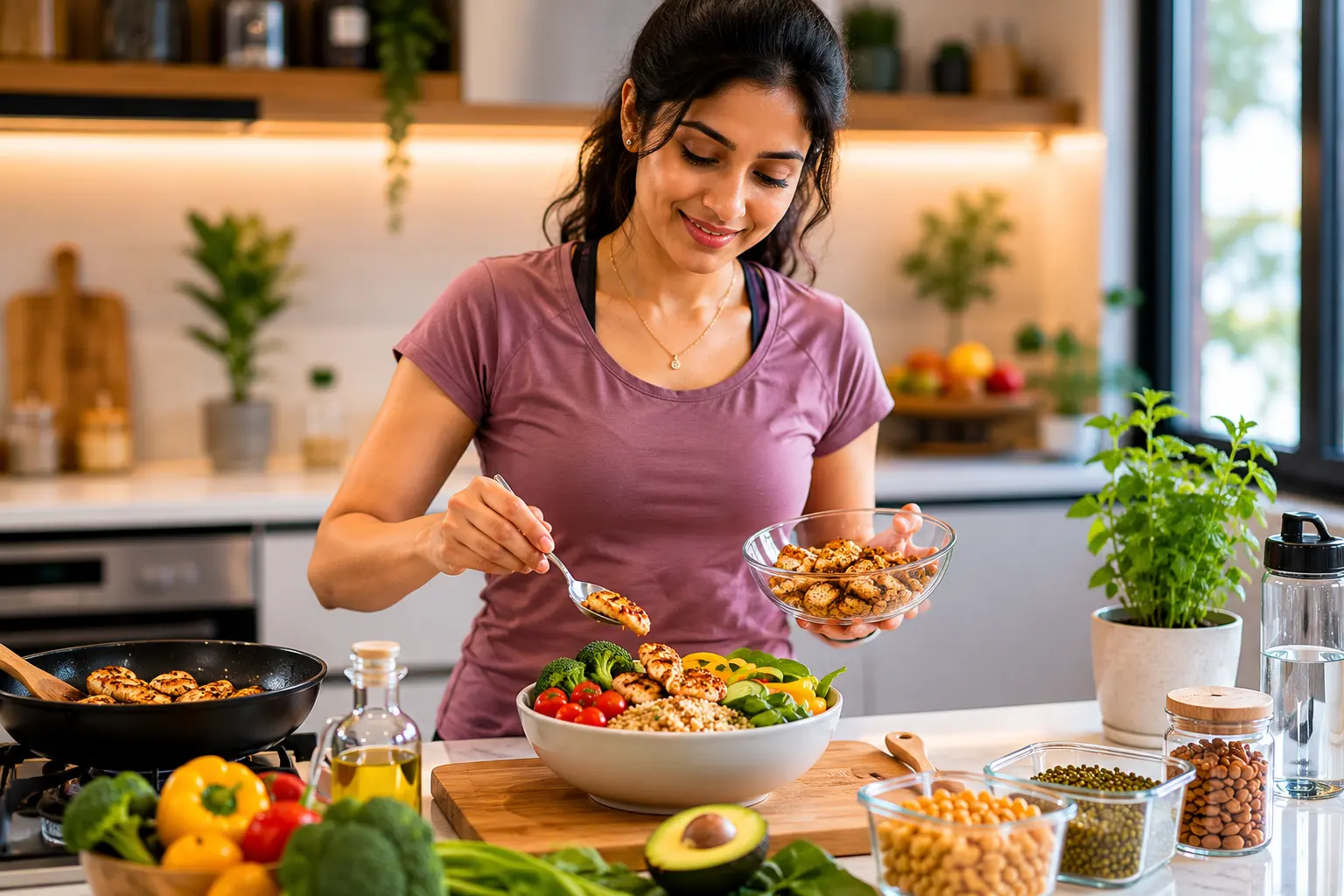
The short answer: no single food makes a child gain weight. What does it is a set of small daily defaults, each unremarkable on its own. A sweetened drink most days, an hour less sleep than needed, meals eaten in front of a screen, packaged snacks within easy reach, and an evening with no unstructured play. Change the defaults and you change the outcome, without ever putting a child on a diet.
1. Drinks are the easiest win
Liquid calories are the least filling calories available. A child who drinks a soft drink, a packaged juice or a flavoured milk most afternoons is taking in a meaningful amount of sugar that produces almost no fullness, so it does not reduce what they eat at dinner. Packaged fruit juice is not a health food here; even the no-added-sugar versions deliver sugar without the fibre of the actual fruit.
The one change worth making first
Make water the household default and keep sweetened drinks as an occasional thing rather than a stocked item. This requires no discussion with the child about their weight, applies to everyone equally, and is usually the single highest-impact change available.
2. Sleep is doing more than you think
Short sleep raises hunger hormones and lowers fullness signalling, in children as in adults. It also makes the next day's self-regulation harder, which shows up as more snacking and less activity. Indian urban children are frequently caught between late dinners, homework, tuition and early school buses. The hour that gets lost is almost always sleep.
| Age | Sleep per 24 hours |
|---|---|
| 3 to 5 years | 10 to 13 hours, naps included |
| 6 to 12 years | 9 to 12 hours |
| 13 to 18 years | 8 to 10 hours |
3. Screens work through three channels
- They displace movement. Two hours on a screen is two hours not spent doing anything physical.
- They displace sleep. Screens late in the evening push bedtime later, and the lost hour is rarely recovered.
- They change how much gets eaten. Eating while distracted reliably increases intake, because fullness signals are missed.
Screen time shows up as an independent predictor of adolescent overweight in Indian national survey data, which is unusual: many suspected causes do not survive statistical adjustment, and this one does. The practical rule that works in most households is not a total ban but two protected zones: no screens at the dining table, and screens off a fixed period before bed.
4. The tiffin box, practically
The aim is not a joyless lunchbox. It is a box built around protein and real food, with the packaged item as an occasional guest rather than a daily fixture. Children who eat a protein-containing lunch are measurably less ravenous at 5pm, which is when most of the unplanned eating happens.
| Usual | Try instead |
|---|---|
| Packaged biscuits or chips | Roasted chana, makhana, peanuts, boiled corn |
| Jam sandwich on white bread | Paneer or egg bhurji roll, chapati with dal |
| Packaged juice or flavoured milk | Water bottle plus a fruit |
| Instant noodles | Poha or upma with vegetables added |
| Only carbohydrate items | Add curd, egg, paneer, sprouts or dal to whatever is going |
5. Play has to be enjoyable to survive
Structured exercise prescribed to a child because of their weight rarely lasts. Activity that is social, competitive or simply fun does. Cycling, swimming, a neighbourhood sport, dance, martial arts, or the traditional Indian playground games that need no equipment all count. The goal is roughly an hour a day of moving, accumulated in pieces, not a training programme.
Two things to avoid entirely
Do not use food as a reward or punishment, and do not comment on your child's body or compare them with a sibling or cousin. Both are strongly associated with a worse relationship with food later, and neither improves weight.
Where to start
Pick two changes, not ten. Drinks and bedtime are usually the highest-yield pair, and neither requires anyone to be singled out. Hold them for a month before adding anything else. If your child's growth curve is genuinely climbing across chart lines, take that to a paediatrician alongside these changes rather than instead of them.
Key takeaways
- Sweetened drinks are the easiest and highest-impact change in most households.
- Short sleep raises appetite and reduces next-day self-regulation in children.
- Screen time predicts adolescent overweight in Indian data, partly through eating while distracted.
- Build the tiffin around protein and real food rather than banning treats outright.
- Never use food as reward or punishment, and never comment on a child's body.
Frequently asked questions
How much screen time is acceptable for children?
Recommendations vary by age and household, but the two rules that matter most for weight are no screens during meals and screens off well before bedtime. Your paediatrician can advise on total limits for your child's age.
Is fruit juice healthy for children?
Whole fruit is better. Juice, including no-added-sugar varieties, delivers sugar without the fibre and does not create fullness, so it adds calories without reducing appetite.
My child only eats junk food. What do I do?
Change what is available rather than negotiating each meal. Children eat what is stocked and served. Removing packaged snacks from the house is more effective than asking a child to resist them.
How much activity does a child need?
Around an hour a day of moderate to vigorous activity is the usual guidance, and it can be accumulated in short bursts. Enjoyment matters more than structure at this age.
Should I tell my child they need to lose weight?
Generally no. Focus on household habits and let a paediatrician handle any conversation about weight directly with the child. Parental comments about weight are associated with poorer body image and disordered eating later.
Ready to take the next step?
Take the free 2-minute eligibility assessment. A doctor reviews it before anything is prescribed, with no obligation.
This article is for general educational purposes and is not a substitute for personalised medical advice. GLP-1 medications are prescription-only and not suitable for everyone. Always consult a qualified doctor before starting, changing, or stopping any treatment.