Diabetes 'Reversal' in India: What GLP-1 Can Honestly Achieve (and What the Ads Won't Tell You)
India is flooded with programs promising to 'reverse diabetes in 90 days'. The medically honest word is remission, it is genuinely achievable for many, and weight loss is its main engine. Here is what GLP-1 medicines can and cannot do for your HbA1c.
ALTRcare Medical Team
Clinical Editorial

"Reverse your diabetes in 90 days" might be the most profitable sentence in Indian health marketing. It works because it contains a real truth wrapped in a false promise. The truth: Type 2 diabetes is not always the one-way street patients were told it was, and substantial weight loss can bring blood sugar back to non-diabetic levels. The false promise: that this is a cure, that it happens on a fixed schedule, and that it works for everyone. The honest medical term is remission: an HbA1c below 6.5% sustained for at least three months without glucose-lowering medication. Remission is real. Let us talk about how people actually get there.
Weight loss is the engine
The landmark DiRECT trial showed the dose-response plainly: among people with Type 2 diabetes who lost 15 kg or more through an intensive program, 86% achieved remission; among those losing 10 to 15 kg, over half did. The mechanism is fat draining out of the liver and pancreas, letting insulin production and sensitivity recover. Two factors matter enormously: how much weight comes off, and how recently you were diagnosed. Remission rates are highest in the first few years after diagnosis, while the pancreas retains capacity to recover.
Where GLP-1 medicines fit
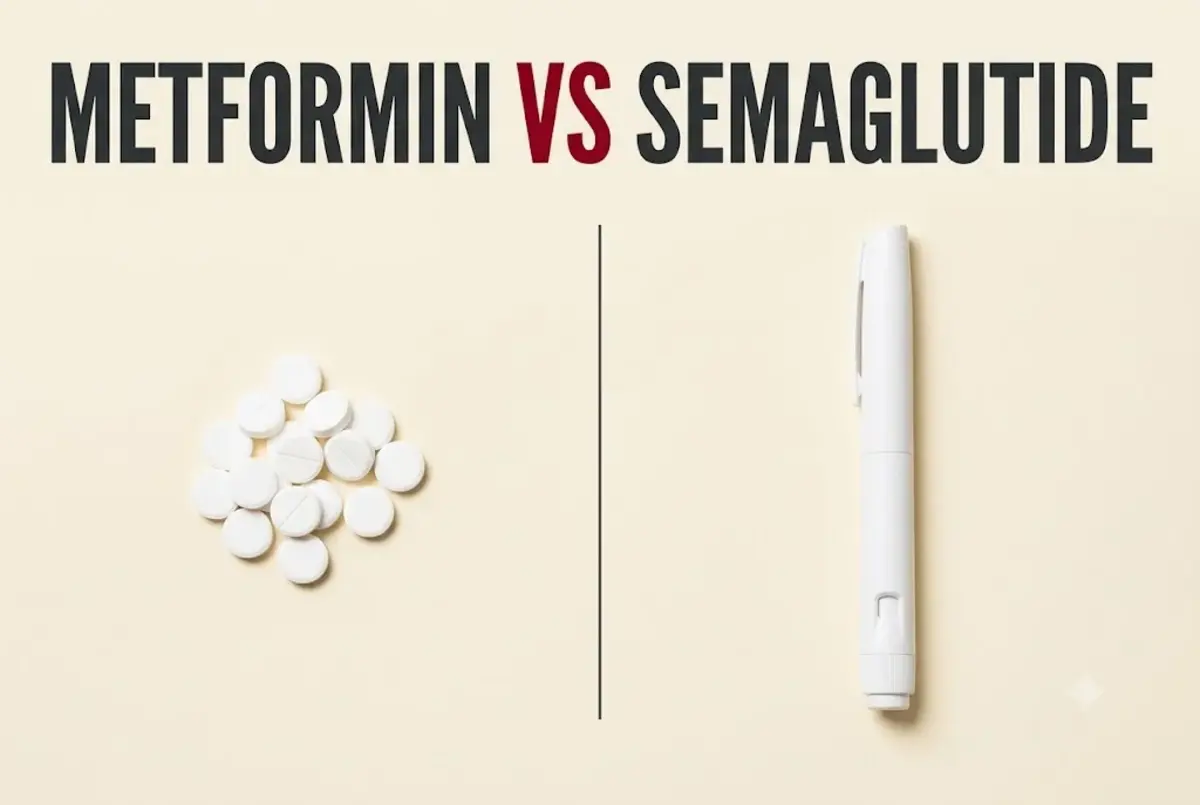
GLP-1 medicines are the most reliable non-surgical way to reach the 10 to 15%+ weight loss where remission becomes likely, and they lower blood sugar directly at the same time; semaglutide was a diabetes medicine before it was a weight loss medicine, typically cutting HbA1c by 1.5 to 2 points. For a recently diagnosed patient with excess weight, a supervised GLP-1 program attacks the disease from both directions at once.
One honest complication
Strict remission is defined without glucose-lowering medicines, and GLP-1 drugs are glucose-lowering medicines. So the realistic journeys are: lose the weight on GLP-1, then taper off under a doctor and see if sugars hold (true remission), or stay on the medicine long-term with normal sugars and dramatically reduced risk (excellent control, and for many people the smarter steady state). Both are wins. Anyone who does not explain this distinction is selling you something.
What the 90-day programs get wrong
- The timeline is marketing. Meaningful remission usually requires losing 10 to 15% of body weight, which takes 6 to 12 months done safely. Ninety days of crash dieting can improve numbers temporarily and then rebound.
- Selection bias in testimonials. Recently diagnosed, highly motivated patients with the most weight to lose produce the miracle stories; long-standing diabetics with depleted insulin production rarely appear in the ads.
- Stopping medicines without a plan. Some programs pull patients off metformin or insulin abruptly to declare victory. Medication changes belong to your doctor, staged against actual test results.
- "Reversal" implies "done". Remission requires maintaining the weight loss; regain the weight and the diabetes returns. It is a state to be defended, not a certificate to be framed.
Who is a strong remission candidate
- 1Diagnosed within the last 5 to 6 years.
- 2Carrying meaningful excess weight, especially at the waist. By Indian cutoffs, that includes many people at BMIs of 25 to 30 who look merely "a little healthy".
- 3Not on insulin, or on it only recently (longer insulin dependence suggests reduced pancreatic reserve, though improvement is still very possible).
- 4Willing to hold the loss: the protein, movement and follow-up habits that keep the weight off are the actual remission maintenance therapy.
Get an honest answer about YOUR sugar
Share your HbA1c, diagnosis year and medicines in the free assessment. The doctor tells you what remission odds look like in your case, without the 90-day theatre.
Frequently asked questions
Can Type 2 diabetes really be reversed?
The accurate term is remission: HbA1c below 6.5% for at least 3 months without glucose-lowering medication. It is genuinely achievable, especially within a few years of diagnosis, and substantial weight loss (10 to 15%+) is the main driver, as the DiRECT trial showed.
Can semaglutide put diabetes into remission?
It is one of the most effective tools for reaching remission-scale weight loss while directly lowering blood sugar. Strict remission is assessed after tapering off glucose-lowering medicines under a doctor; many patients alternatively stay on treatment with excellent control, which is also a strong outcome.
Are 90-day diabetes reversal programs legitimate?
Be skeptical. Durable remission typically requires 10 to 15% weight loss over 6 to 12 months and maintained thereafter. Fixed short timelines, abrupt medicine stoppage and testimonial-heavy marketing are warning signs.
Does diabetes come back after remission?
It can, primarily if the weight returns. Remission is maintained by maintaining the loss, which is why follow-up care and a maintenance plan matter as much as the initial result.
Ready to take the next step?
Take the free 2-minute eligibility assessment. A doctor reviews it before anything is prescribed, with no obligation.
This article is for general educational purposes and is not a substitute for personalised medical advice. GLP-1 medications are prescription-only and not suitable for everyone. Always consult a qualified doctor before starting, changing, or stopping any treatment.